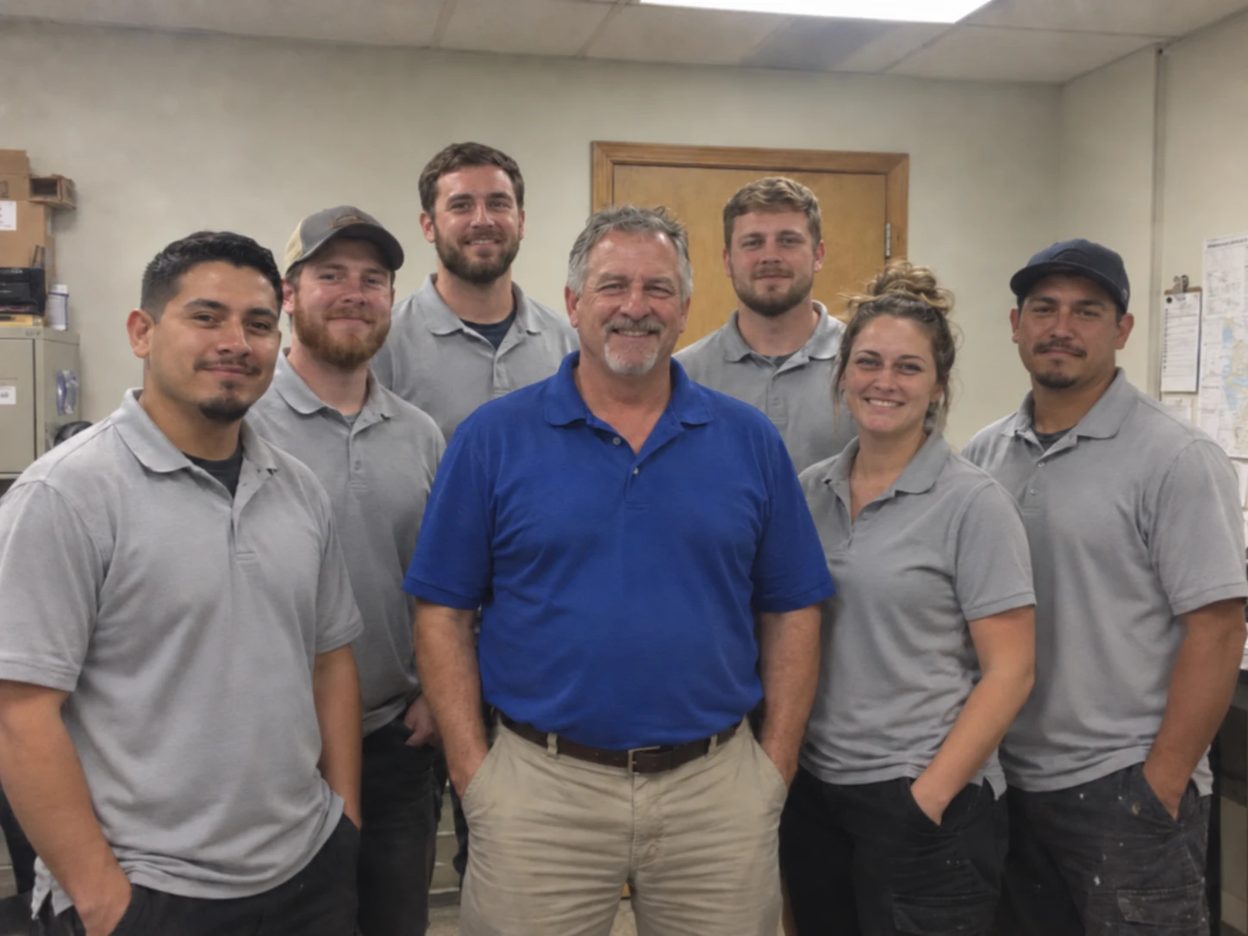
No two heating systems break the same way, and in Folsom homes the first question on any no-heat call is what kind of equipment we are dealing with. Furnaces most often stall on an oxidized flame sensor. The burners fire, the sensor fails to confirm the flame, and after three attempts the control board closes the gas valve and locks the system out. Cracked hot surface igniters, sticking pressure switches, plugged condensate traps on high-efficiency units, and tired blower motors round out the usual list. Heat pumps have their own failure patterns. A defrost cycle that falls short lets ice build up on the outdoor coil, a bad reversing valve leaves the system stuck in cooling mode, and a dead outdoor unit hands the whole load to the electric backup strips, which cost several times as much to run.
Guessing gets expensive on a cold night, so Folsom HVAC handles every heating call as a diagnosis first and a repair second. Our techs measure before they replace anything: microamp flame signal, igniter resistance, pressure switch response to actual inducer draft, capacitor and motor readings, plus charge and defrost checks when the system is a heat pump. On gas equipment, safety checks are built in, not an add-on. Gas connections are leak-tested, the heat exchanger is inspected, and venting is verified, because warm air from an unsafe furnace is not a fix.
Furnace, heat pump, air handler, boiler, or ductless unit, from any major brand, we service it. Stocking igniters, flame sensors, capacitors, inducer motors, and blower motors on every truck means most homes are warm again the same visit. And if a repair no longer makes sense for aging equipment, we tell you so honestly and lay out the options with real numbers. Call (279) 236-7586 for heating repair anywhere in Folsom, and we will get the warm air moving today.
Most of our service calls are for Furnace Repair in Folsom. Start there if your system isn't running right.
Warning Signs for Heating Repair
Catching these issues early helps you avoid costly problems and protect your property. Keep an eye out for the following clues that it's time to bring in an expert:
- The furnace clicking and trying to light but shutting back down
- Energy costs climbing even though the house feels colder
- A rotten-egg, burning, or musty smell once the heat kicks on
- Thick ice or frost covering the heat pump outside
- A loud boom when the burners light, which points to delayed ignition
- The thermostat calls for heat but the vents blow cold air or nothing
- Frequent on-off cycles that never bring rooms up to temperature
- Cold rooms in one part of the house while others are comfortable
Act Before It Gets Worse
Left unchecked, even a small fault or temperature swing often signals a system working its way toward a breakdown. Call Folsom HVAC at (279) 236-7586 at the first sign of trouble.
Heating Repair Issues? We Can Help.
Our experienced technicians are standing by to help.
Call (279) 236-7586 NowYour Heating Repair Questions Answered
The Benefits of Professional Heating Repair
Heating repair carries the highest stakes in home comfort work because combustion is involved. A furnace that lights late booms gas vapor inside the heat exchanger and stresses the metal; a heat exchanger that cracks can pass combustion gases into the supply air; a flue that has stopped drafting sends carbon monoxide into the house instead of out of it, and none of these announce themselves in ways an untrained eye can catch. The diagnostic terrain is genuinely tricky too: a furnace that short-cycles might have a failing limit switch, or it might be protecting itself from a clogged filter, and cleaning a flame sensor without asking why it fouled leaves the next lockout already scheduled.
Instruments and judgment are what our experienced technicians bring to both sides of that problem. We measure the flame signal instead of assuming it, inspect the heat exchanger, verify draft at the flue, and check temperature rise against the data plate so blower speed and burner output are matched. With heat pumps, the defrost board, sensors, and reversing valve are tested before anyone condemns a compressor, and we look at whether the backup strips have been quietly inflating your bill for weeks. Each repair we complete is proven safe and correct over a full heating cycle, which is the standard you should expect from anyone working on the equipment that keeps your family warm.
Our Heating Repair Process
We work through a clear, repeatable process so nothing gets overlooked on your property. Here's how we handle heating repair from start to finish:
Diagnosis & Safety Inspection
Fault codes are only the starting point. We meter flame signal and igniter resistance, test the pressure switch, check motors and capacitors, verify charge and defrost on heat pumps, and leak-test the gas connections on every visit.
Clear Findings & Upfront Quote
Before any repair begins, we walk you through what broke, why it broke, and what it will cost. And if the findings, like a cracked heat exchanger or a dead compressor, point toward replacement, we are upfront about it.
Same-Visit Repair
The majority of repairs wrap up in one trip. The parts that fail most often, including igniters, flame sensors, pressure switches, capacitors, and motors, are already on the truck, so the heat is back on before we head out.
Final Testing
We run complete heating cycles, measure temperature rise against the data plate, confirm safe combustion and draft on fuel-fired equipment, and verify every safety control before we go.
Maintenance Tips for Heating Repair
Smart maintenance is almost always cheaper and easier than an early replacement. Start with these practical measures our team relies on:
- Clear snow, leaves, and overgrown shrubs from around the heat pump so defrost works properly
- Replace filters monthly through the heating season to keep airflow strong and the heat exchanger from overheating
- Have the system serviced each autumn, before the weather tests every weak component
- Make sure every level has a working carbon monoxide detector, and test it monthly
- Keep chlorine products, paints, and solvents away from the furnace, because their fumes corrode burners
- Leave open space around the furnace so the burners can draw enough combustion air
- Take booming ignition or new rattles seriously; both are cheap to fix early and expensive late
Comparing DIY and Professional Heating Repair
Some simple checks are suitable for DIY, but most heating and cooling repairs benefit from professional tools, training, and experience. Consider the following comparison:
| Factor | DIY Attempt | Professional Service |
|---|---|---|
| Carbon Monoxide | No way to detect a CO problem | Draft and heat exchanger checked every visit |
| Troubleshooting | Guessing from a blinking code | Readings taken before parts are replaced |
| Gas Safety | A loose fitting goes unnoticed | Every joint checked with a leak detector |
| Heat Pump Faults | An iced coil blamed on the compressor | Boards, sensors, and valves tested properly |
| Underlying Cause | Sensor cleaned, cause ignored | Cause found, not just the symptom |
| Verification | One successful start and done | Temperature rise measured over full cycles |
Get Heating Repair Help Today
Don't let a failing system get worse. Call Folsom HVAC now for prompt, professional service.
Get Help: (279) 236-7586Heating Repair Near Folsom
We bring heating repair to homes and businesses in town and across the nearby communities. Pick your area to see local details.